Choosing the right grinding equipment can shape every stage of chocolate production. A chocolate ball mill refines cocoa liquor, sugar, and other ingredients into a smoother, more consistent mass. Its rotating chamber and grinding media create controlled friction. This action reduces particle size while supporting a stable texture and mouthfeel.
In practical production, the mulino a sfere per cioccolato offers valuable process control. Operators can adjust temperature, residence time, and circulation speed according to the recipe. A well-managed system may reduce manual handling and improve batch repeatability. The result should be a glossy, fluid chocolate mass with fewer noticeable particles. Small details matter. Cooling water, seal condition, and cleaning routines can influence performance more than expected.
However, a ball mill is not an automatic solution. Poorly selected settings may create excessive heat, uneven refinement, or unnecessary energy use. Equipment size must match the factory’s output, formulation, and maintenance capacity. I have found that reliable results depend on measurement, not assumptions. Particle-size testing, temperature records, and regular inspection provide stronger evidence than appearance alone. Even experienced teams can overlook gradual wear inside the grinding chamber. That weakness deserves attention.
This guide examines why chocolate ball mills support efficient production. It considers refinement quality, operational flexibility, hygiene, energy management, and long-term reliability. The goal is practical understanding rather than exaggerated promises. When technology, trained operators, and documented checks work together, a ball mill can become a dependable part of modern chocolate manufacturing.
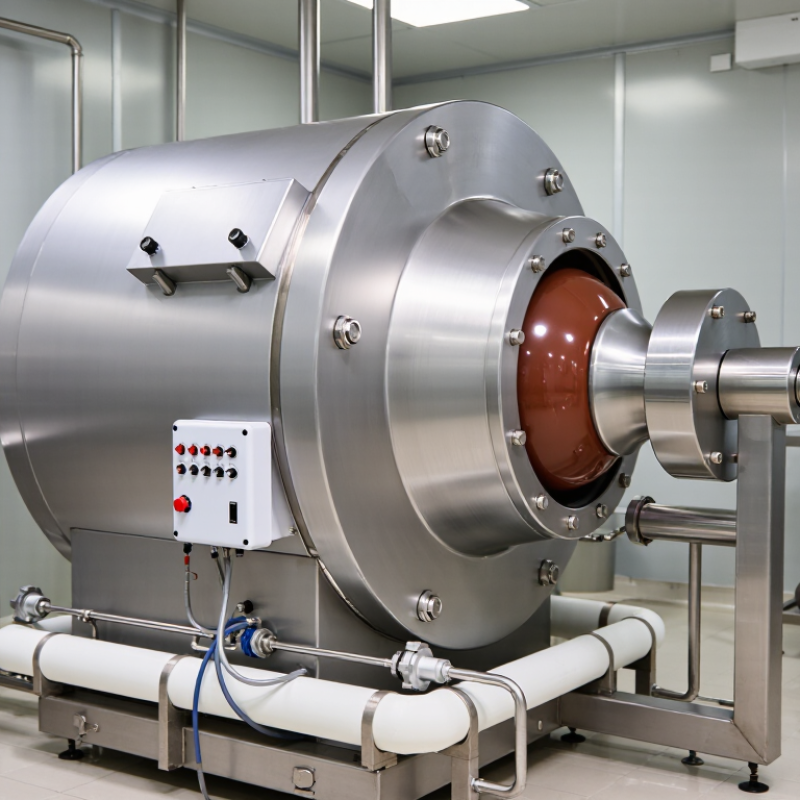
A chocolate ball mill is a refining machine that turns coarse chocolate ingredients into a smoother, more uniform mass. Inside its rotating chamber, hardened grinding balls move through chocolate liquor, cocoa butter, sugar, and other ingredients. Their repeated impact reduces particle size and helps distribute fat evenly. The result is a creamier texture with fewer gritty particles on the tongue.
In practical production, operators monitor temperature, viscosity, grinding time, and final particle size. Chocolate that becomes too warm may lose desirable flavor notes or develop an uneven texture. A ball mill can also improve consistency between batches, but it cannot correct poor ingredients or an unbalanced recipe. I have found that small changes in ball loading or speed can produce noticeable differences. The process is precise, though not perfectly predictable.
Tips: Keep the chamber clean and inspect the grinding media regularly. Measure temperature during operation, not only afterward. Test a small sample before changing the full batch. Avoid assuming longer milling always creates better chocolate. Sometimes, it only adds heat and energy without improving smoothness. Record each batch carefully, because a setting that works today may need adjustment tomorrow.
| Data dimension | Typical data or specification | Production relevance |
|---|---|---|
| Equipment definition | A chocolate ball mill is a continuous or batch grinding vessel that uses rotating grinding media to reduce the size of solid particles in chocolate mass. | It combines intensive mixing and fine grinding in one controlled process step. |
| Main grinding mechanism | Grinding media repeatedly apply impact and shear forces as the chocolate mass circulates through the grinding chamber. | The combined forces help disperse cocoa, sugar, milk solids and other ingredients more uniformly. |
| Target particle fineness | Many chocolate recipes target a median particle size of approximately 20–30 micrometres for a smooth mouthfeel; the required value depends on the recipe and product type. | Particle-size control reduces grittiness and supports consistent sensory quality. |
| Typical processing temperature | Chocolate mass is commonly processed in a temperature-controlled range of about 40–50°C, depending on cocoa-butter content, recipe and viscosity. | A jacketed vessel helps manage heat generated by friction and maintain suitable flow behavior. |
| Temperature-control system | A water or thermal-fluid jacket is typically used for heating, cooling or temperature stabilization. | Stable temperature helps prevent excessive thickening, fat separation and uncontrolled viscosity changes. |
| Grinding media | Food-compatible, wear-resistant media are selected according to chamber design, recipe viscosity and required fineness. | Media size, filling ratio and material influence grinding efficiency, wear control and contamination prevention. |
| Suitable ingredients | Common feed materials include cocoa liquor, cocoa powder, sugar, milk powder, cocoa butter and other fat-based chocolate ingredients. | The equipment is most suitable for pumpable, fat-containing chocolate masses rather than dry powders alone. |
| Production mode | Available configurations include batch processing and continuous recirculation systems. | Batch systems support flexible recipes, while continuous systems are suited to stable, higher-volume production. |
| Processing time | Actual grinding time varies substantially with formulation, initial particle size, viscosity, temperature and target fineness; it must be established through process trials. | Recipe-specific testing is more reliable than using one fixed time for every chocolate product. |
| Quality-control indicators | Particle-size distribution, viscosity, temperature, moisture, fat content and sensory texture are key monitoring indicators. | Monitoring these values helps maintain repeatable texture, flowability and finished-product quality. |
| Efficiency advantage | Grinding and homogenization take place within the same equipment, reducing the need for separate processing stages. | Fewer transfers can reduce handling, product loss and cleaning points in the production line. |
| Hygiene requirements | Product-contact surfaces should be made from suitable food-grade materials, with smooth, cleanable surfaces and hygienic seals. | Sanitary construction and effective cleaning procedures help reduce cross-contamination and allergen risks. |
| Best-fit applications | Chocolate coatings, fillings, compound chocolate, spreads and other fat-based confectionery products requiring fine and uniform dispersion. | The process can be adapted to different recipes when temperature, residence time and grinding intensity are properly controlled. |
| Important selection factors | Required throughput, batch size, target particle size, recipe viscosity, temperature-control capacity, cleaning method and available floor space. | Selecting equipment by recipe and production target improves reliability, energy use and overall process efficiency. |
Note: The values and ranges above are general industry references. Final operating conditions should be validated with the specific chocolate formulation, grinding media and equipment configuration.

A chocolate ball mill refines chocolate through controlled grinding and mixing. The process begins when liquid chocolate enters a chamber filled with food-grade grinding balls. An agitator moves the balls through the chocolate continuously. Their contact creates impact, friction, and shear. These forces break down sugar, cocoa particles, and other solids into a smoother structure. The target particle size often falls near 18–25 microns, depending on the recipe and texture required.
Temperature control is essential during operation. Friction generates heat, so cooling channels help maintain a stable processing temperature. If the chocolate becomes too warm, its viscosity and flavor can change. The chocolate may pass through the chamber several times until testing confirms the required fineness. Operators usually check temperature, flow rate, viscosity, and particle size. Small changes can matter.
The machine is not magic. An overfilled chamber may restrict movement, while too few balls can reduce grinding efficiency. Excessive speed may also create unwanted heat and air bubbles. Experienced operators adjust these settings gradually, rather than trusting one fixed formula. In practice, the final texture depends on cocoa solids, sugar, fat content, and pre-refining quality. A well-maintained mill supports consistent production, but careful observation remains necessary.
Why Choose a Chocolate Ball Mill for Efficient Production?
A chocolate ball mill improves production by refining cocoa and sugar particles inside a controlled grinding chamber. Smaller particles create a smoother mouthfeel and reduce the gritty texture customers quickly notice. In practical operation, the machine can process chocolate mass continuously, limiting stops between batches. This supports steadier output during demanding production schedules. Less interruption matters.
Consistent refining also helps operators control product quality. A stable particle size can improve viscosity, coating performance, and filling behavior. Temperature management is another important benefit. Proper cooling protects chocolate from excessive heat, which may affect flavor, color, or tempering performance. However, a ball mill cannot correct poor ingredients or careless dosing. That assumption can fail.
The equipment may reduce manual grinding work and simplify routine production monitoring. Operators can check temperature, flow, and refining results at set intervals. This creates clearer records for quality control and process adjustments. Energy use may also improve when the mill is correctly sized and maintained. Worn grinding media, blocked lines, or incorrect settings can reduce efficiency. Small details matter. Regular cleaning supports hygiene and prevents old chocolate from affecting a new recipe. Experienced teams usually combine machine data with sensory checks, because instruments do not detect every texture problem.
Production benefits compared with conventional chocolate refining
A chocolate ball mill can reduce particle size efficiently while shortening processing time and improving product consistency. The comparison uses representative production benchmarks: higher throughput, lower energy consumption per kilogram, shorter refining cycles, and a finer, more uniform particle-size result.
A chocolate ball mill can reduce particle size while creating a smoother, more uniform texture. Its performance depends on several operating details, not only motor power. In practice, I have found that the incoming chocolate mass must have stable viscosity. If it is too thick, circulation slows and energy consumption rises. If it is too fluid, grinding efficiency may fall.
Particle size also matters. Large sugar or cocoa particles increase processing time and may create uneven texture. The grinding media should match the product and remain properly filled. Too little media reduces contact, while excessive filling restricts movement. Rotor speed needs careful adjustment. Higher speed is not always better. It can increase heat and accelerate component wear.
Temperature control deserves close attention. Chocolate that becomes too warm may lose its desired flow properties. Cooling channels, sensors, and steady feeding help prevent sudden changes. The feed rate should remain consistent, especially during long production runs. Short interruptions can affect texture.
Maintenance influences results more than many operators expect. Worn media, blocked pipes, or inaccurate temperature readings can quietly reduce output. Cleaning must be thorough, but inspection records should also be practical. I once underestimated small changes in viscosity; the final texture varied more than expected. That mistake showed the need for routine sampling, not assumptions. Fresh measurements are essential.
A chocolate ball mill works efficiently when operators control feeding, temperature, and grinding time together. Start with a stable chocolate mixture, free from large lumps and excess moisture. Feed the mill gradually. Overloading can increase friction and produce uneven particle sizes. Keep the product temperature within the recipe’s approved range, because excessive heat may damage flavor and texture. Small samples taken during production can reveal whether the chocolate feels smooth between the fingers.
Use the mill according to its operating manual and record practical results from each batch. Check particle size, viscosity, motor load, and outlet temperature at regular intervals. These records help operators adjust speed or grinding time without relying on guesswork. The process is not flawless. A batch may need longer processing after ingredients change, even when settings remain the same.
Maintenance should begin with a safe shutdown and complete product removal. Clean the grinding chamber, pipes, and valves before residue hardens. Inspect balls, liners, seals, and bearings for wear or unusual noise. Replace damaged parts promptly. Lubricate only approved points and prevent lubricant from contacting food surfaces. Verify temperature sensors and control devices during scheduled checks. Keep a simple maintenance log with dates, findings, and corrective actions. It sounds basic. It prevents expensive surprises. Surface cleaning alone is not enough; hidden chocolate buildup can affect hygiene, flow, and future batch quality.
Utilizziamo i cookie per migliorare l'esperienza utente. Per maggiori informazioni, consulta la nostra Cookie Policy.