2026 How to Choose the Best Electric Chainsaw for Your Needs?
Choosing the right Electric Chainsaw can be daunting. The market offers many options, each with unique features. According to industry expert John Peterson, “The right tool makes all the difference.” His insight emphasizes the importance of selecting equipment that fits your specific needs.
When considering an Electric Chainsaw, think about your projects. What tasks will you tackle? Will you trim branches or fell trees? Each activity requires different features. Weight, battery life, and chain speed are factors to consider. A more powerful machine is not always the best choice. Sometimes, a lighter model is easier to handle.
Moreover, personal comfort is vital. Test the Electric Chainsaw before purchasing if possible. Grip, balance, and noise levels all impact your experience. Remember, a well-chosen chainsaw will not just perform well; it’ll also ease your workload significantly. Taking time to reflect on your needs may lead you to the ideal tool.
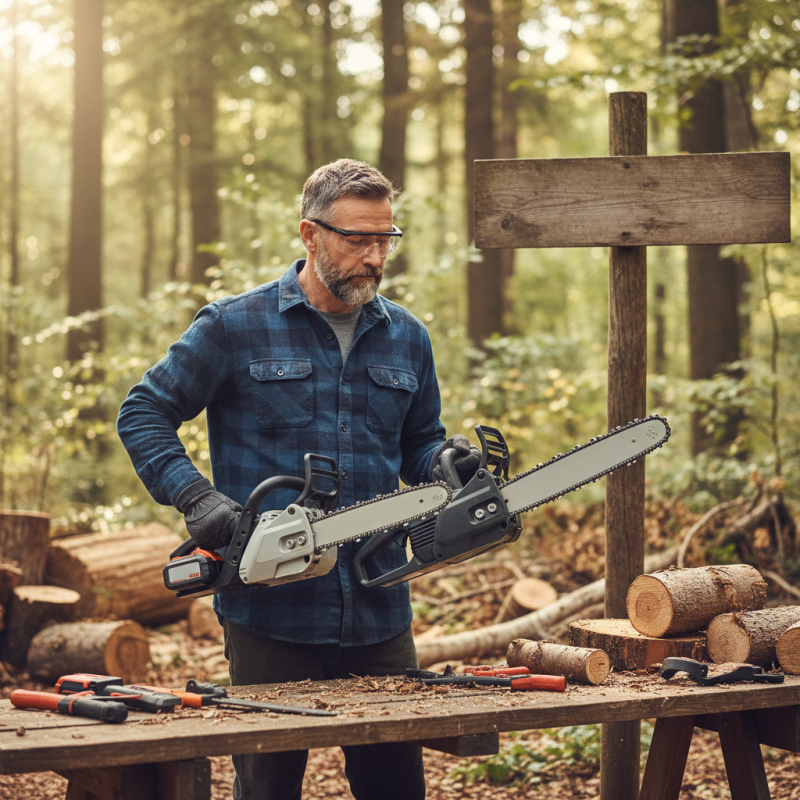
Factors to Consider When Selecting an Electric Chainsaw
Choosing the right electric chainsaw can be a daunting task. It's essential to identify your specific needs first. Think about the type of projects you'll tackle. Are you pruning trees or cutting firewood? Different tasks require different tools. Assess the size of the wood you will be cutting. Larger logs need a chainsaw with more power.
Power is a critical factor to consider when selecting an electric chainsaw. Look for models with sufficient amperage to handle your tasks. A more powerful chainsaw can tackle dense wood but might be heavier. Weight matters too. You should feel comfortable handling the chainsaw for extended periods. A lightweight model allows for easy maneuverability but may lack power.
Safety features are non-negotiable. Check for features like chain brakes and safety switches. These can prevent accidents during operation. Noise levels can vary widely among models. If you work in residential areas, a quieter chainsaw might be preferable. Consider your comfort and safety first. Reflect on how often you will use the chainsaw and what features matter most to you. This approach will guide you toward making a more informed choice.
Battery Life & Power Requirements for Effective Cutting
When choosing an electric chainsaw, understanding battery life and power requirements is crucial. The battery is the heart of any cordless model. A chainsaw with a higher voltage battery usually offers more power. This translates to quicker cuts and less strain on the motor. However, more power often means reduced battery life.
For effective cutting, consider the type of work you'll do. If you plan on cutting thick wood, a chainsaw with at least 80V might be necessary. Conversely, lighter jobs can be managed with a 40V model. Assessing your projects will save time and battery life.
Tips: Always check the amp-hour (Ah) rating. A higher Ah will extend your chainsaw's runtime. Regularly monitor battery performance to spot any issues early. Over time, all batteries degrade. Keep an eye on efficiency. Efficient use can help achieve the best balance between power and battery longevity. Look for models designed for easy battery replacement. This can minimize downtime during tasks.
Battery Life & Power Requirements for Electric Chainsaws
This chart displays the average battery life and power (measured in Watts) of different electric chainsaws, demonstrating their performance based on their power requirements.
Bar Length and Its Impact on Cutting Efficiency
When selecting an electric chainsaw, bar length plays a crucial role in cutting efficiency. A longer bar allows for deeper cuts, which can be beneficial for larger trees and thick branches. However, it's important to consider that longer bars can also result in more weight and reduced maneuverability. This is especially significant for users who may lack experience or strength.
Conversely, a shorter bar provides enhanced control. It's lighter and easier to handle, making it suitable for smaller tasks and precision cuts. However, this can limit the depth of your cuts. Understanding your specific needs will guide your choice of bar length. Reflecting on the types of tasks you perform frequently can help you make an informed decision.
Ultimately, there isn't a one-size-fits-all answer. That’s part of the challenge. Assess your cutting tasks and consider your comfort level with weight and control. Everyone's requirements vary, and there's always room for improvement in mastering cutting techniques.
2026 How to Choose the Best Electric Chainsaw for Your Needs? - Bar Length and Its Impact on Cutting Efficiency
| Bar Length (inches) | Recommended Use | Cutting Efficiency (%) | Weight (lbs) | Price Range ($) |
| 10 | Small branches & pruning | 70 | 5 | 50 - 100 |
| 14 | Medium trees & large branches | 85 | 8 | 100 - 200 |
| 16 | Cutting firewood & felling | 90 | 11 | 150 - 300 |
| 18 | Larger trees & heavy-duty tasks | 95 | 13 | 250 - 400 |
| 20 | Professional felling & logging | 98 | 15 | 300 - 500 |
Weight and Ergonomics: Choosing the Right Fit for Your Comfort
Choosing the right electric chainsaw involves careful consideration of weight and ergonomics. These factors significantly impact user comfort and performance. For instance, a study by the American National Standards Institute shows that a chainsaw weighing over 10 pounds can cause fatigue within minutes. Therefore, selecting a lightweight model is crucial for ease of use, especially for extended tasks such as tree trimming or firewood cutting.
Ergonomic design is equally important. Features like padded handles and balanced weight distribution can reduce strain on the hands and arms. Research published in the Journal of Occupational Health indicates that improper ergonomics can lead to repetitive strain injuries, with over 20% of chainsaw users reporting discomfort. Many users overlook this aspect, thinking all chainsaws are similar. However, investing in a well-designed model can make a significant difference in overall safety and efficiency.
While more powerful chainsaws often come with added weight, learning to balance power and ergonomics is essential. It's tempting to choose sheer power, but it may lead to discomfort during long use. Balancing these elements requires reflection and understanding of your personal needs and limitations in handling the tool. Choosing the right fit will ensure better productivity and a more enjoyable experience in your outdoor tasks.
Safety Features in Electric Chainsaws: What to Look For
When selecting an electric chainsaw, safety features must be a top priority. A reliable chainsaw should include a kickback brake. This feature stops the chain quickly if the saw jerks unexpectedly. It provides peace of mind, especially for beginners. Protection from kickback is crucial, as it can lead to serious injuries.
Another important safety aspect is the presence of a chain guard. This shield protects your hands while cutting. In an accident, the guard can help minimize injury. Additionally, look for models with a low kickback chain. These chains are designed to reduce the risk of kickback incidents, making them a safer option.
Consider also the weight and ergonomics of the chainsaw. A lightweight model can reduce fatigue during use. Comfortable grips can enhance control, further ensuring safety. Remember to reflect on your own experience level. Not all chainsaws are suitable for all users, so choose wisely to enhance your safety on the job.