Top Strategies for Sourcing Stainless Steel Flanges Globally?
In today's global manufacturing landscape, sourcing high-quality Stainless steel flanges is crucial. The market for stainless steel flanges is projected to grow significantly, driven by increasing demand in various industries, including oil and gas, chemicals, and water management. According to a recent report by MarketsandMarkets, the global stainless steel flanges market is expected to reach $3.2 billion by 2025.
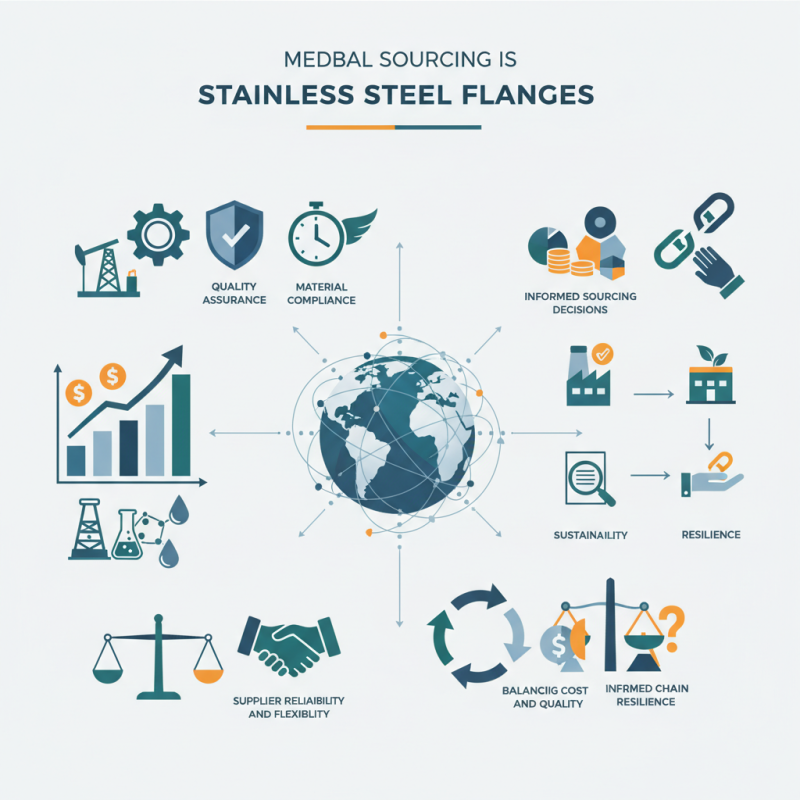
With a variety of suppliers available worldwide, choosing the right one can be challenging. Quality assurance, material compliance, and timely delivery are vital considerations. Suppliers must adhere to strict standards, such as ASTM and ISO certifications. However, many sourcing decisions still rely too heavily on price alone. It's essential to balance cost with quality and supplier reliability.
Furthermore, the recent disruptions in global supply chains highlight the need for a more strategic approach. Businesses must evaluate potential suppliers for their responsiveness and flexibility. Engaging with suppliers who prioritize sustainability can also enhance a company's reputation. In the competitive market of stainless steel flanges, making informed sourcing decisions is more important than ever.
Understanding the Types of Stainless Steel Flanges for Sourcing
When sourcing stainless steel flanges globally, understanding the various types is crucial. Flanges can be classified into categories such as blind, threaded, and weld neck. Each serves specific functions, and the right choice depends on your application. For instance, blind flanges are used to close off piping systems. They are vital for maintenance and isolation.
Weld neck flanges offer superior structural integrity. They are ideal for high-pressure applications. According to a report by the Steel Market Development Institute, the demand for stainless steel flanges is projected to grow by 5% annually over the next five years. This growth emphasizes the importance of quality sourcing strategies. Quality varies widely among manufacturers. Identifying reliable suppliers is essential. Some flanges are made from lower-grade stainless steel, impacting longevity and performance.
In recent years, supply chain disruptions have highlighted the challenges in sourcing quality materials. Companies are urged to conduct thorough supplier audits. Verification of the material grade ensures compliance with industry standards. This diligence can prevent costly errors later. Sustainability is another factor. Eco-friendly practices are becoming essential for modern sourcing strategies.
Identifying Key Global Suppliers and Manufacturers of Stainless Steel Flanges
When sourcing stainless steel flanges globally, identifying key suppliers is crucial. Many industries rely on stainless steel flanges due to their strength and corrosion resistance. According to a recent market report, the global stainless steel flange market is projected to grow at a CAGR of 4% from 2023 to 2030. This growth reflects increasing demand across sectors such as oil and gas, construction, and automotive.
To effectively find reliable manufacturers, consider focusing on regions known for stainless steel production. Countries like China, India, and Germany are recognized leaders in the market. Engaging with industry networks and attending trade shows can provide insights into reputable suppliers. Innovations in production techniques have also improved quality standards among manufacturers. It's essential to evaluate a supplier's certifications to ensure compliance with international standards.
Tips: Always request samples before placing large orders. Check for reliable customer testimonials, as they reflect the supplier’s credibility. It's also valuable to understand potential pricing fluctuations due to raw material costs. Keep in mind that while many suppliers offer competitive pricing, transparency in sourcing should be a priority for long-term partnerships.
Top Strategies for Sourcing Stainless Steel Flanges Globally
This chart displays the number of key suppliers for stainless steel flanges across different global regions. It highlights the concentration of suppliers in Asia and Europe, which are critical markets for sourcing.
Evaluating Quality Standards and Certifications for Stainless Steel Flanges
When sourcing stainless steel flanges globally, it's crucial to evaluate quality standards and certifications. Understanding these standards helps ensure the flanges meet industry specifications. Look for certifications like ASTM, ASME, and ISO. These indicate that the products have undergone rigorous testing and adhere to strict quality controls.
However, not all manufacturers provide clear certification details. Some may claim compliance without verifiable proof. This creates challenges for buyers who need consistent quality. Engaging with manufacturers directly can clarify these issues. Ask for documentation and reference their quality management systems. This approach promotes transparency and builds trust.
Inspecting products upon arrival is another strategy. Visual inspection helps identify any obvious defects. But remember, some issues may not be visible. Testing mechanical properties is crucial. It’s essential to ensure that the flanges can withstand the intended pressure and temperature. Balancing supplier trustworthiness with thorough verification can be a complex task. Each step is essential in maintaining product integrity.
Strategizing Cost-Effective Sourcing Methods for Stainless Steel Flanges
Sourcing stainless steel flanges requires strategic planning, especially in cost management. Research by market analysts shows a substantial increase in global demand, projected to reach over $20 billion by 2025. Companies must carefully assess suppliers to optimize their sourcing processes and minimize costs.
One effective approach is bulk purchasing. Data indicates that bulk orders can lead to savings of up to 15-20%. However, it can also result in excess inventory, which ties up capital. Companies should balance the benefits of discounts against potential overstock issues. Engaging local suppliers can also reduce shipping costs, yet varying quality standards may emerge.
Another strategy includes leveraging technology for supplier evaluation. Platforms that compare multiple suppliers enhance decision-making but require thorough vetting. Relying solely on digital comparisons without firsthand knowledge can mislead sourcing teams. Regular audits of production processes help ensure quality. Emphasizing thorough research and ongoing supplier relationships will yield dependable results in sourcing stainless steel flanges.
Navigating Legal and Regulatory Considerations in Global Sourcing
When sourcing stainless steel flanges globally, legal and regulatory considerations are paramount. Compliance with local laws is essential. Every country has specific regulations regarding materials and sourcing practices. Failure to adhere can lead to significant penalties. It's crucial to research each region's legal landscape, particularly concerning environmental standards and labor laws.
Contracts play a pivotal role in this process. Clear agreements should outline quality standards and delivery timelines. Without precise terms, disputes can arise. These conflicts may not only delay production but can also harm relationships with suppliers. Understanding international trade laws is equally important. Tariffs and duties vary widely. Evaluating these factors can help avoid unexpected costs.
Additionally, engaging local experts offers invaluable insights. They can provide guidance on navigating the complexities of international regulations. However, tapping into local knowledge can be challenging. Miscommunication is a real risk, often leading to misunderstandings. Establishing rapport with suppliers and local authorities will mitigate these issues. Sourcing internationally is complex, requiring continuous adaptation and learning.