How to Choose a Chocolate Tempering Machine
Choosing a chocolate tempering machine starts with the chocolate you make and the amount you produce. A small pastry kitchen has different needs from a shop coating hundreds of pieces each day. Tempering controls how cocoa butter crystals form, helping finished chocolate set with a clean snap and an even sheen. Consistent results matter.
Compare capacity with your real production rhythm, not an optimistic peak. A machine that is too large may leave chocolate sitting unused; one that is too small can slow dipping, molding, and enrobing. Check whether it uses a batch or continuous process, and look for adjustable temperature controls, clear operating instructions, and parts that are practical to clean. Small details count. A narrow outlet, awkward bowl, or difficult-to-reach surface can add time during a busy shift.
The term Temperatrici per il cioccolato may appear in equipment searches, but the important questions remain the same: how reliably does the machine temper your chocolate, and does it suit your workspace? Ask suppliers about suitable chocolate types, throughput, maintenance, warranty, and local technical support. If possible, test the machine with your own recipe before buying. A polished specification sheet cannot show every daily inconvenience.
There is no universally perfect choice. Even experienced chocolatiers may need to adjust their process when changing machines, room conditions, or recipes. Consider energy use and available counter space, too. A careful comparison can prevent an expensive mismatch, though no machine replaces sound technique and regular temperature checks.
Define Your Chocolate Tempering Needs and Production Volume
Start with the job, not the machine’s headline capacity. List the products you make, their batch sizes, and how many kilograms must be ready each hour. A chocolatier tempering small batches for hand-moulded bars has different needs from a bakery coating hundreds of biscuits. Record peak demand, too—not just the daily average. Include changeovers, cleaning, and time spent waiting for moulds.
The International Cocoa Organization’s 2024 Quarterly Bulletin estimated global cocoa grindings at about 4.82 million tonnes for the 2023/24 season, down from roughly 4.99 million tonnes the previous season. These figures describe industry scale, not tempering-machine demand. Your own production schedule is the better guide. For example, if a shift needs 24 kilograms of tempered chocolate across three hours, plan around the required hourly output and allow time for refills. Check whether the quoted capacity refers to melted chocolate, continuous output, or a full working cycle.
Look closely at your busiest product. Dark, milk, and white chocolate may require different temperature settings and careful changeovers. Ask how much chocolate remains usable in the bowl after production. A machine that is too small can create delays; one that is oversized may leave excess chocolate waiting. That estimate is imperfect. Recheck it against a real production day before choosing.
How to Choose a Chocolate Tempering Machine
Define Your Chocolate Tempering Needs and Production Volume
Use your daily production target to estimate the working bowl capacity you need. This example uses a batch size equal to 20% of daily output, equivalent to five batches per day; it is a planning illustration, not a universal rule or a machine specification. Check the manufacturer’s rated working capacity and tempering throughput before choosing a machine.
Compare Tempering Methods and Machine Types
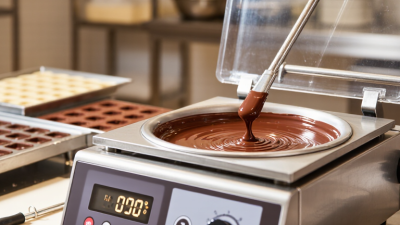
Choosing a chocolate tempering machine starts with understanding how it controls crystal formation. Manual seed tempering uses stable chocolate pieces to encourage desirable crystals, while table tempering cools melted chocolate across a stone surface. Both methods offer hands-on control, but they require practice and regular temperature checks. A machine automates heating, cooling, and agitation, which can make results more repeatable. It still cannot correct poor chocolate handling or inaccurate settings. Always follow the chocolate’s recommended temperature range; dark, milk, and white varieties do not behave identically.
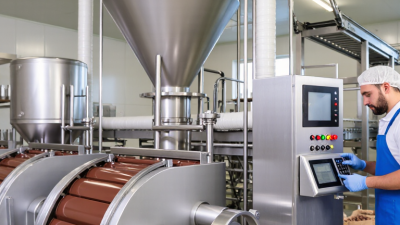
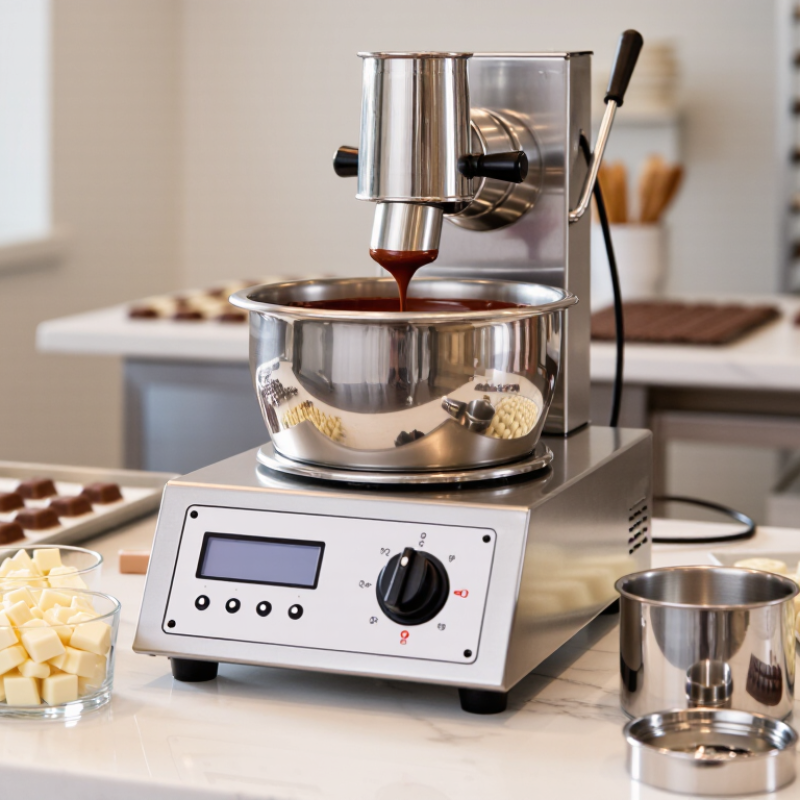
Machine types suit different workloads. A tabletop batch machine fits small kitchens, test batches, and seasonal production. Its bowl capacity matters: an oversized bowl may leave too little chocolate circulating smoothly. Larger batch machines handle more volume, while continuous tempering systems suit steady production and frequent molding. Check how easily the unit drains, cleans, and maintains a consistent working temperature. Noise, available counter space, and the time needed to recover temperature after adding chocolate are easy details to overlook. I have found that a machine’s listed capacity can feel optimistic in daily use.
Tips: Test the machine with your usual chocolate and molds before a busy production day. Watch the chocolate’s sheen and snap, not just the display. Keep a thermometer nearby. Small batches reveal problems quickly.
Match Machine Capacity to Your Batch Size
Choose a chocolate tempering machine by the amount you can process reliably per shift, not its headline maximum. A small batch can occupy the bowl for hours once melting, tempering, depositing, and cleaning are included. Estimate your need: kilograms per order divided by realistic cycles per shift. Then allow time for setup and temperature recovery. Small batches matter. Near its minimum, a machine may mix unevenly; an oversized load can cool slowly and leave chocolate waiting between jobs. Check the usable working range, not just the vessel volume.
Demand changes, too. The International Cocoa Organization’s May 2025 Quarterly Bulletin reported 2023/24 global cocoa grindings of 4.818 million tonnes, 4.8% lower year on year. That market-wide figure cannot predict a small producer’s orders, but it cautions against sizing equipment for one unusually busy season. Compare a normal week with a peak week using your own batch records. If you usually temper 12 kilograms, a machine rated for 12 kilograms may leave little room for circulation or operator error. Leave room to adjust. It is easy to overestimate future demand; test both your smallest and largest recipes, since inclusions and room temperature can change cycle times.
How to Choose a Chocolate Tempering Machine - Match Machine Capacity to Your Batch Size
| Typical Machine Class |
Approx. Working Capacity |
Practical Batch Size |
Best Fit |
Capacity-Matching Guidance |
| Small tabletop |
3–5 kg |
About 2–4 kg |
Home businesses, trials, and occasional small production runs |
Choose this class if most batches are small. Check the minimum fill level so the agitator can circulate the chocolate properly. |
| Compact production |
6–12 kg |
About 4–10 kg |
Small confectionery kitchens and regular artisan production |
A practical choice for several moderate batches per day, with some room for demand increases. |
| Mid-size production |
15–30 kg |
About 10–25 kg |
Growing businesses with steady daily output |
Match the working load to your usual production run, not just your busiest day. Confirm available floor space and electrical requirements. |
| Large-batch production |
35–60 kg |
About 25–50 kg |
High-volume kitchens and larger production rooms |
Consider this range when large runs are routine. Make sure downstream equipment can use the tempered chocolate at a similar rate. |
| Continuous or high-output system |
Often specified by throughput rather than bowl capacity |
Set by the required production run and line speed |
Production lines with sustained, predictable demand |
Compare the stated output in kg/hour with your actual consumption rate. Ask how output changes with chocolate type and operating conditions. |
Note: Capacity figures are approximate and vary by machine design. Working capacity is the amount of chocolate the machine can handle in its bowl; it is not the same as hourly throughput. Check the manufacturer’s recommended minimum and maximum loads for the specific model.
Evaluate Temperature Controls, Materials, and Cleaning
Temperature control should be easy to adjust and steady during a full batch. Look for clear settings, readable displays, and a stated working range that suits the chocolate you plan to use. A digital number can appear precise without showing the temperature at every point in the bowl. Check the manual for sensor placement and calibration guidance, and compare the reading with a reliable probe when practical. Small swings matter. A machine that heats quickly but overshoots may require more attention than its controls suggest.
Inspect the parts that touch chocolate. Stainless steel bowls are generally durable and smooth, while seams, joints, and rough edges can collect residue. Confirm that food-contact materials are identified in the product documentation; appearance alone is not enough. Consider the bowl’s weight, too. A heavy bowl may hold heat well, but it can be awkward to lift when full. That trade-off is easy to overlook.
Cleaning can make a good machine frustrating if the design traps hardened chocolate. Removable bowls and accessible corners usually simplify routine cleanup. Check which parts can be washed separately, and whether the manufacturer warns against immersing electrical components. Wipe the machine promptly after use, once it is safe to handle, and avoid scraping surfaces with tools that may damage them. A quick cleanup test before buying is useful, though it cannot reveal every daily annoyance. Some details only become obvious after repeated batches.
Assess Energy Use, Maintenance, and Total Cost of Ownership
A chocolate tempering machine’s energy use depends on more than its rated wattage. Batch size, room temperature, and idle time all affect consumption. Ask for measured energy data under a workload close to yours, then compare kilowatt-hours per batch. If possible, track a normal production day with a plug-in energy meter. Small details matter. A machine left warm between short runs may use more power than expected.
Maintenance affects both labor and product consistency. Check whether the bowl, auger, and contact surfaces are easy to reach and clean. Ask how often seals, sensors, and other wear parts need inspection, and whether replacements are readily available. A difficult cleaning routine can add minutes to every shift. Downtime costs money. Still, a maintenance estimate is only a starting point; actual wear depends on cleaning habits and production volume.
For total cost of ownership, include purchase price, electricity, installation, cleaning labor, routine parts, and likely repairs over the machine’s service life. Compare machines using the same time period and batch schedule. I would not choose by headline wattage alone; it can be misleading. A spreadsheet can also miss costs, especially when labor time is guessed. Record your own cleaning and idle hours before making the final comparison.