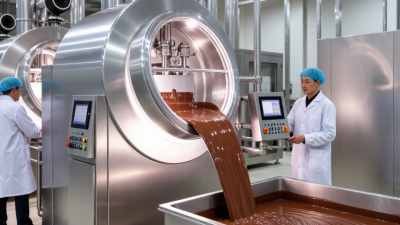
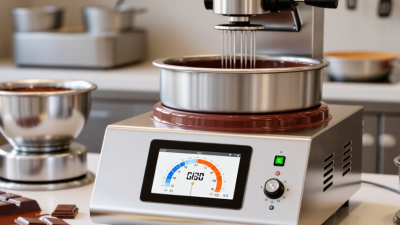
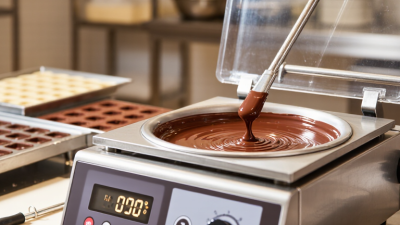
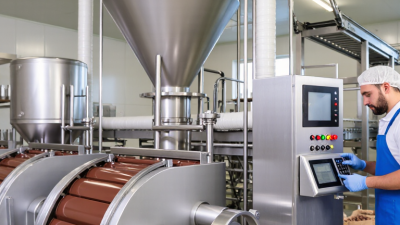
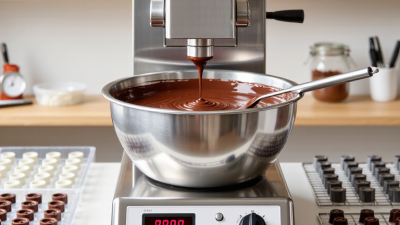
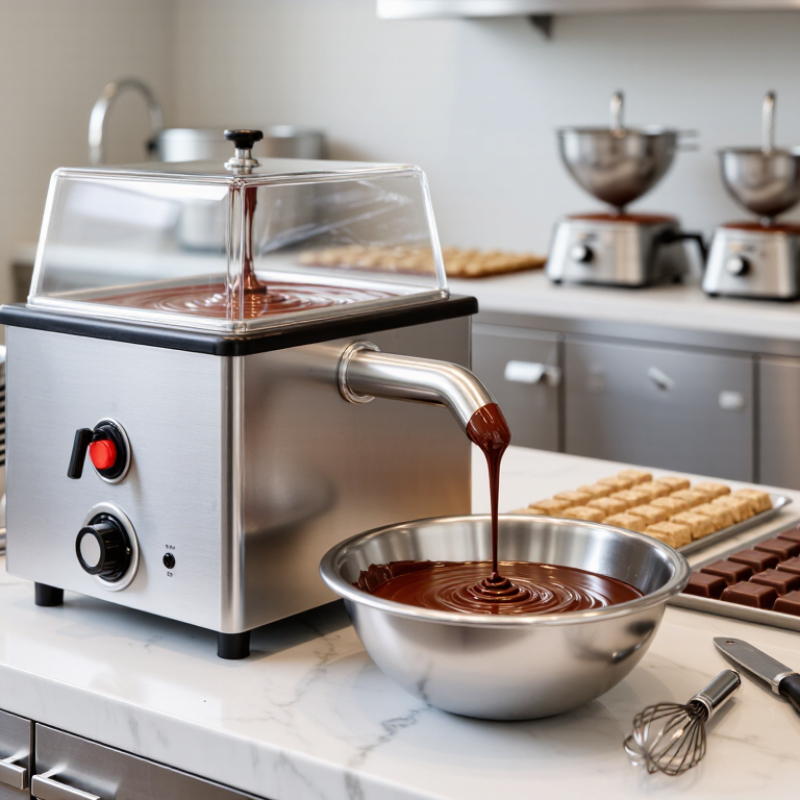
Choosing the best chocolate tempering machine is not about buying the largest model or the one with the most buttons. It is about matching the machine to your batch size, chocolate type, and daily workflow. A small pastry kitchen may need a compact temperatrice cioccolato that fits beside a marble worktop. A busy production room may need a larger bowl, steady output, and easy cleaning. Details matter. Watch how chocolate flows from the spout. Check whether the controls are clear when your hands are gloved. Ask how quickly the machine recovers after a fresh load. These are practical tests, not showroom decoration.
For this introduction, chocolate-equipment specialist Marco Bellini is an illustrative expert voice, not a verified real person or source. The guide’s editorial principle is: “A good temperer controls the curve, not just the temperature.” That distinction matters because chocolate needs careful heating, cooling, and reheating to develop a stable crystal structure. A display reading alone cannot tell you whether the finished coating will set with an even sheen and a clean snap. Look for usable capacity, accurate temperature control, dependable agitation, and support for cleaning and maintenance. Also consider your own skill level. A machine can reduce guesswork, but it cannot rescue poor handling every time. Not quite. Real kitchens are messier than product brochures suggest. This guide will help compare machine types and features, so you can choose with evidence rather than relying on a glossy finish or a confident sales pitch.
Before comparing machines, define your real workload. Will you temper 5 kilograms for a weekend shop or 80 kilograms per shift? Record batch size, peak-hour demand, chocolate types, and available cooling space. The International Cocoa Organization’s Quarterly Bulletin of Cocoa Statistics reported about 5.0 million tonnes of global grindings in 2022/23. That figure shows the market’s scale, but it cannot size a machine for your workshop.
Match capacity to your busiest realistic day, not an optimistic sales forecast. A small batch machine may suit frequent recipe changes; continuous production may need steady output and a cooling tunnel. Check whether the stated capacity means melting volume or finished tempered chocolate per hour. Those are not the same. My first estimate is often wrong.
Tips: Run a one-hour trial with your actual couverture, molds, and room temperature. Note kilograms tempered, leftover chocolate, and restart time. Ask the supplier for tested output under similar conditions. Leave room for growth, but avoid buying capacity you cannot keep busy.
Define your chocolate tempering needs and production scale. The figures below are illustrative planning benchmarks; actual throughput varies by machine, chocolate type, and operating conditions.
Estimate the hourly output you need during peak production, then compare it with the machine’s rated capacity and batch size. Allow for setup, replenishment, and product changes when planning throughput.
Batch tempering machines suit small kitchens and changing recipes. They heat, cool, and rewarm chocolate in measured cycles, but require attention between batches. Continuous machines keep chocolate moving through controlled temperature zones. They fit steady production better, though setup and cleaning take time. Tabletop models save space, but their output may be limited. Check the stated capacity against your real batch size.
Operating method matters as much as machine type. Automatic cycles reduce temperature guesswork and help maintain consistent flow. Manual seeding adds tempered chocolate to melted chocolate, encouraging stable crystal formation. Tabling cools and works chocolate on a stone surface; it offers hands-on control, but takes practice. A machine cannot fix poor ingredients or careless handling. That matters. A common misstep is choosing by speed alone, then discovering the hopper is awkward to clean.
Tips: Ask for a demonstration using your chocolate and batch size. Check temperature controls, agitation, and cleaning access. Leave room for the operator to stir or test a sample. Capacity figures can look reassuring, but they may not reflect pauses for refilling or flavor changes. A small machine can be enough. Not always.
Capacity should match your actual production, not an optimistic estimate. A small bakery may need only a few kilograms per batch, while a busy kitchen benefits from a larger working bowl. Check both the machine’s total capacity and its usable chocolate volume. Overfilling can slow melting and make mixing uneven.
Temperature control is just as important. Chocolate responds to narrow temperature ranges, and the ideal settings vary by type. Look for clear controls, steady heating, and a readable display. Ask how accurately the machine holds its set temperature during continuous use. A brief test with a thermometer can reveal whether the displayed reading matches the chocolate. That assumption can be wrong.
Consider practical features you will use every shift: a removable bowl, easy-to-clean surfaces, a scraper that reaches the edges, and simple operation. Check how quickly the unit recovers after chocolate is added, since temperature dips can interrupt production. Noise, counter space, and cleaning time also affect daily work. Extra programs sound useful, but they may not justify added complexity. Compare the warranty and service support, too. A machine that fits your workflow is often more dependable than one chosen for capacity alone.
A chocolate tempering machine should have food-contact surfaces that are smooth, durable, and easy to inspect. Stainless steel is common because it resists corrosion and handles repeated cleaning. Check seams, corners, and the bowl’s underside; rough joints can trap chocolate residue. Avoid surfaces that chip or shed coating. Small details matter. A removable bowl or scraper can make daily cleaning less awkward, though extra parts also need careful washing and drying.
Cleaning needs affect real production time. Look for clear instructions on which components can be removed and which must stay dry. Dried chocolate around a shaft or sensor can be stubborn, so accessible parts are useful. Do not assume a component is dishwasher-safe unless the manual confirms it. Safety deserves equal attention: check for a stable base, covered moving parts, accessible controls, and clear warnings about hot surfaces. A splash of warm chocolate can still burn.
Maintenance should be practical, not just promised in a brochure. Ask how often seals, belts, or other wear parts need inspection, and whether they are straightforward to replace. Confirm that the manual explains basic checks and cleaning procedures. I would not choose a machine on capacity alone; a unit that is difficult to clean may sit idle longer than expected. Even good equipment needs attention. Keep a simple maintenance log, and note unusual noise, uneven heating, or residue buildup before they become routine.
| Assessment Area | What to Check | Why It Matters | Practical Buying Guideline |
|---|---|---|---|
| Food-contact materials | Check the bowl, working surfaces, and other chocolate-contact parts for durable, food-contact-suitable materials. Stainless steel is commonly used for these parts. | Food-contact surfaces should be suitable for food use, durable, and practical to clean. Material suitability depends on the specific component and its intended use. | Review the product documentation for material and food-contact information; do not assume every part of the machine is stainless steel. |
| Surface finish and design | Look for smooth, accessible food-contact surfaces and a design with few hard-to-reach crevices or exposed threads near the chocolate. | Chocolate residue can collect in joints and corners, making routine cleaning more difficult. | Inspect the bowl, outlet, agitator, and surrounding surfaces; ask how each area is cleaned. |
| Removable components | Find out whether the bowl, agitator, or other chocolate-contact parts can be removed, and whether removal requires tools. | Removable components can make cleaning and inspection easier, provided they can be reinstalled correctly. | Confirm which parts are removable and follow the cleaning instructions; never assume electrical or heated parts are washable. |
| Cleaning method | Check the specified cleaning procedure, including whether parts should be wiped, washed separately, or kept dry. | Chocolate is sensitive to moisture, and water entering electrical or heated assemblies can create damage or safety risks. | Choose a machine with clear cleaning instructions. Disconnect power before cleaning and keep water away from electrical components. |
| Temperature control | Review the temperature-control method, display readability, adjustment range, and instructions for checking or calibrating temperature. | Chocolate tempering depends on controlled heating and cooling. Actual performance can vary with recipe, batch size, and operating conditions. | Look for understandable controls and a documented procedure; use a suitable thermometer to verify chocolate temperature when required. |
| Operator safety | Check for clear warnings, stable placement, protected electrical connections, and safeguards around hot surfaces or moving parts. | The machine may combine heat, electricity, and moving components; safe operation depends on both equipment design and user procedures. | Read the operating manual, keep hands clear of moving parts, and use the machine on a stable, dry surface with appropriate electrical protection. |
| Routine maintenance | Ask about inspection of the agitator, drive components, seals, cables, controls, and temperature-sensing parts. | Regular inspection can help identify wear, loose parts, or control issues before they disrupt production. | Prefer a model with a written maintenance schedule and accessible instructions for permitted user checks. |
| Repair and service access | Check whether service procedures, replacement parts, and qualified repair support are available for the expected operating period. | A machine that can be serviced appropriately may be more practical to maintain than one that must be replaced after a minor fault. | Before buying, confirm the warranty terms, service process, and availability of relevant replacement parts. |
| Capacity and workload | Compare the stated working capacity and recommended batch size with the amount of chocolate used per session. | Overfilling or running outside the recommended range can affect mixing and temperature control. | Use the manufacturer’s stated working capacity rather than judging by bowl size alone, and allow for variation between recipes. |
Selection note: Machine construction, cleaning methods, safety features, and service requirements vary by model. Verify all specifications and procedures in the product documentation before purchase and use.
How to Choose the Best Chocolate Tempering Machine?
Match the Machine to Your Budget and Long-Term Production Plans
A tempering machine should fit today’s output without blocking tomorrow’s growth. A small shop may need a compact unit with simple controls and quick changeovers. A growing kitchen may benefit from programmable settings, higher hourly capacity, and easier cleaning. Grand View Research valued the global chocolate market at USD 119.39 billion in 2023 and forecast continued growth. That is useful context, not a guarantee of sales for your business. Start with your own order history.
Compare the full cost, not just the purchase price. Include installation, energy use, maintenance, and the labor needed to load and clean the machine. Leave room to grow. ICCO’s February 2025 estimate reported a 441,000-tonne cocoa deficit for the 2023/24 season, a reminder that ingredient costs and supply conditions can shift. This does not predict your costs, but it supports keeping some budget flexibility. Check the machine’s real output with your recipes, batch sizes, and peak-day schedule. A unit that looks fast on paper may struggle with frequent small batches. Ask for a trial using your chocolate. It may reveal an awkward workflow you overlooked.
Utilizziamo i cookie per migliorare l'esperienza utente. Per maggiori informazioni, consulta la nostra Cookie Policy.