How to Choose the Best Laser Welder for Your Business Needs?
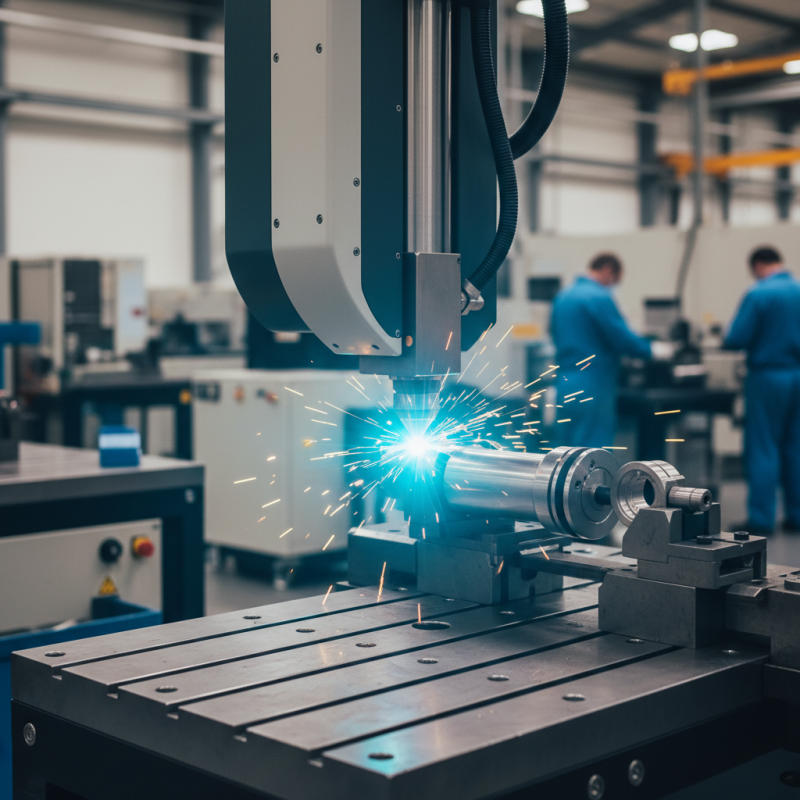
Choosing the right Laser welder for your business is crucial. A suitable laser welder can enhance your production quality and efficiency. With various types available, selecting the best one requires careful consideration.
In the market, many laser welders offer unique features. Some excel in speed, while others focus on precision. Understanding your specific needs is vital. For instance, if you work with delicate materials, a more precise laser welder might be necessary. Always consider the power output and the intended application before making a decision.
Many businesses make the mistake of choosing based solely on price. This can lead to suboptimal performance and increased costs in the long run. Take time to evaluate each option thoroughly. Seek advice from experts in the field and don't hesitate to ask questions. A well-informed choice will ensure long-term reliability and success in your welding projects.
Understanding Your Business Requirements for Laser Welding
When selecting a laser welder for your business, understanding specific requirements is crucial. Different industries have distinct needs for laser welding applications. For instance, the automotive sector often requires precision for assembling intricate parts. In fact, studies show that around 30% of manufacturers prioritize high-speed welding to increase productivity.
Another important aspect is material compatibility. Various metals and alloys react differently to laser welding. Reports indicate that almost 45% of welding failures stem from improper material selection. A thorough analysis of the materials your business works with can help streamline processes and enhance output quality.
Cost efficiency is also key. Investing in advanced laser technology can be costly upfront. However, long-term savings often justify this investment. According to recent data, businesses that employed laser welding saw a reduction in labor costs by nearly 25%. A well-chosen system boosts production speed and minimizes errors, leading to overall better performance.
How to Choose the Best Laser Welder for Your Business Needs?
| Application Type | Material Compatibility | Power Output (W) | Welding Thickness Range (mm) | Cooling System | Price Range (USD) |
| Sheet Metal Fabrication | Steel, Aluminum | 1500 | 0.5 - 3.0 | Water Cooled | $15,000 - $20,000 |
| Jewelry Welding | Gold, Silver, Platinum | 100 | 0.1 - 1.0 | Air Cooled | $5,000 - $10,000 |
| Automotive Parts | Carbon Steel, Stainless Steel | 2000 | 1.0 - 6.0 | Water Cooled | $25,000 - $35,000 |
| Electronics Enclosures | Aluminum, Copper | 500 | 0.5 - 2.0 | Air Cooled | $10,000 - $12,000 |
| Medical Device Manufacturing | Titanium, Plastic | 800 | 0.1 - 2.5 | Water Cooled | $20,000 - $30,000 |
Types of Laser Welders Available in the Market
When selecting a laser welder, it’s crucial to understand the various types available. Each type of laser welder serves different applications and industries. CO2 laser welders are common for their versatility. They can cut through various materials and are effective for thicker metals. However, they require more maintenance and have higher operational costs.
Fiber laser welders are increasingly popular. They offer high-speed welding and precision. This makes them ideal for thin-walled components. Their compact size allows them to fit into smaller workspaces. Yet, the initial investment can be high. Some businesses may find it difficult to justify the expense.
Nd:YAG laser welders are known for their reliability. They are preferred for repairs and small-scale operations. While they have a lower initial cost, their speed may not match fiber lasers. The balance between cost and efficiency often requires reflection. Each type has its drawbacks and advantages, making careful consideration imperative when choosing the best option for your needs.
Types of Laser Welders and Their Applications
Key Features to Consider When Selecting a Laser Welder
When selecting a laser welder, pay close attention to key features that suit your business needs. Power output is essential. Higher wattage allows for deeper penetration and faster welds. However, too much power can lead to burn-through. Assess your materials and thickness requirements to find the right balance.
Another critical feature is source type. CO2 lasers and fiber lasers are commonly used. Fiber lasers offer better efficiency and lower operating costs. They work well with metals, whereas CO2 lasers excel at welding non-metals. Consider your primary materials when choosing a source type.
Tips: Evaluate your workspace setup. Ensure the laser welder fits within your facility. If space is limited, opt for a compact model. Also, think about training staff. Proper training leads to better results and safety. Ignoring training can result in mistakes that cost time and materials.
Take time to reflect on long-term needs. It might be tempting to rush the decision, but a poor choice can affect efficiency. Consider future projects and scalability. A capable laser welder can grow with your business, paying off in the long run.
Assessing Budget and Cost-Effectiveness of Laser Welding Equipment
When evaluating laser welding equipment for your business, budget plays a crucial role. Understanding the total cost of ownership is essential. A recent industry report indicates that initial equipment costs can range from $20,000 to over $100,000. Additional expenses may include maintenance, training, and consumables. These factors impact your bottom line.
Cost-effectiveness is about more than just price. The efficiency of laser welders can significantly reduce operational costs. For instance, many businesses report up to a 30% reduction in production time compared to traditional welding methods. This increase in productivity can lead to better profit margins. However, businesses must also consider potential downtime. Machines require periodic maintenance to ensure optimal performance.
Choosing a laser welder involves balancing upfront costs with long-term benefits. Some models may seem cheaper initially but could incur higher operational costs. It's essential to assess your specific needs and how often you will use the equipment. Investing in higher-quality laser welders might seem daunting. Still, they often yield better results, requiring fewer repairs and providing greater reliability over time.
Evaluating After-Sales Support and Maintenance Services
When choosing a laser welder, after-sales support is crucial. A solid support system can make a big difference in your operational efficiency. You need to know how quickly you can get help if issues arise. Some companies offer 24/7 support, while others might keep limited hours. A quick response time can minimize downtime and lost production.
Maintenance services should also be evaluated. Regular maintenance can extend the lifespan of your equipment. Understanding what routine services are included is vital. Some providers might offer packages that seem appealing but could require frequent additional costs for essential services. Clear communication about maintenance schedules can prevent surprises later on.
It's essential to seek feedback from other users. Their experiences can provide valuable insights. It’s recommended to ask specific questions about service response and quality. This can help paint a clearer picture of what to expect. Even with reputable brands, experiences may vary widely. Research can help you avoid potential pitfalls.