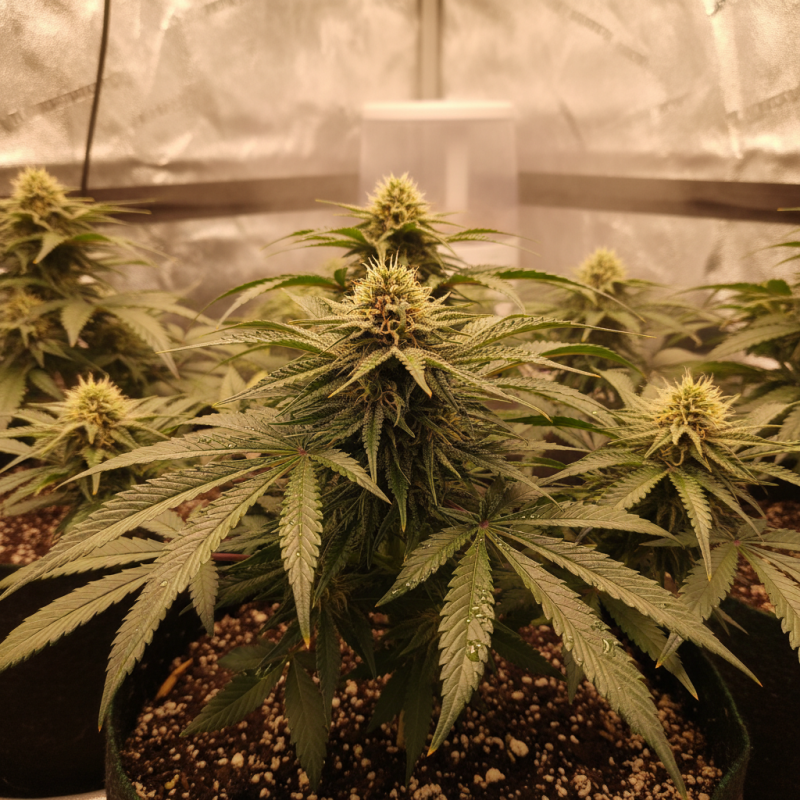
What is the Best Way to Grow Cannabis Successfully?
growing cannabis can be an intricate yet rewarding process. Successful cultivation requires understanding the plant's needs. Factors such as light, water, and nutrients play crucial roles. Each strain has its unique requirements, and growers must be attentive.
Choosing the right environment is essential. Indoor versus outdoor growing presents different challenges. Indoor setups allow for better control, while outdoor growing can harness natural resources. However, unpredictable weather can affect outdoor yields.
Mistakes are part of the journey. New growers may overwater plants or misjudge light levels. Reflection on these missteps is vital for improvement. Experience teaches better practices over time, leading to a more successful growing cannabis experience.
Choosing the Right Cannabis Strain for Your Grow Environment
Selecting the right cannabis strain is crucial for successful cultivation. Not all strains perform the same way in various environments. According to research by the Cannabis Cultivation Association, strains vary widely in their light, temperature, and humidity requirements. In indoor settings, for example, an indica may thrive at lower temperatures, whereas sativa strains often prefer warmer conditions.
Terpene profiles also impact strain selection. Certain terpenes can enhance flavors or aromas, adapting well to specific growing conditions. A study published in the Journal of Cannabis Research indicated that strains high in myrcene tend to flourish in humid environments. However, growers often overlook these details, leading to suboptimal plant health. Not every beginner can intuitively recognize these traits.
It’s common for growers to make decisions based solely on cannabinoid content. High THC levels are appealing, yet this focus can obscure other vital factors. Strains that are rich in cannabinoids but lack resilience to pests may suffer greatly. The National Academy of Sciences reported that pest resistance is often linked to genetic diversity within strains. This reality underscores the importance of understanding both the genetics and environment for successful cannabis cultivation.
Understanding the Essential Growing Conditions for Cannabis Plants
Cannabis plants thrive under specific conditions. Light is crucial; they need at least 18 hours of light daily during the vegetative stage. Consider using full-spectrum LED lights. The right temperature is essential too. Keep the daytime temperature between 70-85°F (20-29°C) and nighttime at 65-75°F (18-24°C). High humidity levels can benefit young plants, but mature plants prefer a drier environment.
Soil choice impacts growth significantly. Loamy soil rich in organic matter is ideal. Nutrients should be balanced, focusing on nitrogen, phosphorus, and potassium. Over-fertilization can lead to nutrient burn, hindering growth. Watering must be monitored carefully; too much water can drown the roots. Look for yellowing leaves or drooping signs as indicators.
Ventilation is often overlooked but vital. Proper airflow helps prevent mold and pests. Ensure your growing space has a steady exchange of fresh air. Reflecting on these elements can lead to adjustments in your approach. Experimenting with light schedules or soil types may yield better results. Each cannabis plant can have unique needs, and learning from these experiences is key to successful cultivation.
What is the Best Way to Grow Cannabis Successfully? - Understanding the Essential Growing Conditions for Cannabis Plants
| Growing Factor | Ideal Range | Importance |
| Temperature | 70-85°F (20-30°C) | Promotes healthy growth |
| Humidity | 40-60% | Reduces mold and mildew |
| Light | 18 hours during vegetative; 12 hours during flowering | Essential for photosynthesis |
| Nutrients | Balanced N-P-K ratio (Nitrogen-Phosphorus-Potassium) | Supports growth and flowering |
| Soil pH | 6.0-7.0 | Affects nutrient availability |
| Watering | When top inch of soil is dry | Prevents root rot |
The Importance of Soil Quality and Nutrient Management in Cannabis Growth
Soil quality is crucial for successful cannabis growth. The right soil provides essential nutrients and supports strong root development. Healthy roots mean healthier plants. A balanced mix of organic matter, aeration, and moisture retention enhances growth. Organic soil amendments can boost the nutrient profile.
Tips: Regularly test your soil pH. Cannabis prefers a slightly acidic environment, around 6.0 to 6.5. Use compost to improve soil structure. It supplies beneficial microorganisms that help nutrient absorption.
Nutrient management is another key aspect. Cannabis plants require different nutrients at various growth stages. Nitrogen fuels growth during the vegetative phase. Meanwhile, phosphorous and potassium drive flower development. Over-fertilizing can harm your plants. Yellowing leaves can indicate nutrient burn.
Tips: Observe your plants regularly. Look for signs of nutrient deficiencies or excesses. Adjust your feeding schedule based on their needs. Remember, a balanced approach leads to vibrant and productive plants. Reflect on your methods, as learning from mistakes is part of the journey.
Soil Quality and Nutrient Management in Cannabis Growth
This chart illustrates the impact of soil quality on the average yield of cannabis plants. Higher soil quality is associated with significantly increased yields, demonstrating the importance of proper soil management for successful cannabis growth.
Effective Watering Techniques and Irrigation Systems for Cannabis Cultivation
When cultivating cannabis, proper watering techniques are crucial. Cannabis plants need the right amount of moisture to thrive. Overwatering can lead to root rot, while underwatering causes stress. Understanding your plants’ needs is essential. A good rule of thumb is to water when the top inch of soil feels dry. This balance fosters healthy root development.
Irrigation systems can enhance your watering strategy.
Drip irrigation is highly effective. It delivers water directly to the plant roots, minimizing waste. Similarly, soaker hoses provide a gentle and consistent moisture level. However, these systems require careful monitoring and adjustment. Environmental factors, like
temperature and
humidity, can impact water needs.
Experimenting with different methods can bring insights. You might find that some plants prefer more moisture than others. Keep a watering log to track how each plant responds. This reflective practice can help refine your approach over time. Remember, successful cannabis cultivation often involves trial and error.
Stay observant and adjust your techniques as necessary.
Pest Control and Disease Prevention Strategies for Healthy Cannabis Plants
Pest control and disease prevention are vital for healthy cannabis plants. A proactive approach is key. Regular inspection of your plants can help identify early signs of pest infestations. Look closely for discolored leaves or unusual spots. Aphids and spider mites are common threats. They can cause significant damage if not dealt with promptly.
Utilizing beneficial insects can be an effective strategy. Ladybugs, for example, can reduce aphid populations. Introducing these natural predators can maintain balance in your garden. However, maintaining their habitat can sometimes be tricky. Always monitor their presence and ensure they have enough food. Another option is keeping your garden clean and well-organized. This minimizes hiding spots for pests.
Prevention is as important as treatment. Organic fungicides can help prevent diseases caused by mold and mildew. Spray them at the first sign of humidity in your grow area. But, choosing the right products requires careful research. Some treatments may harm beneficial microbes. Balancing pest control strategies with plant health will require some trial and error. It’s a learning process in itself.